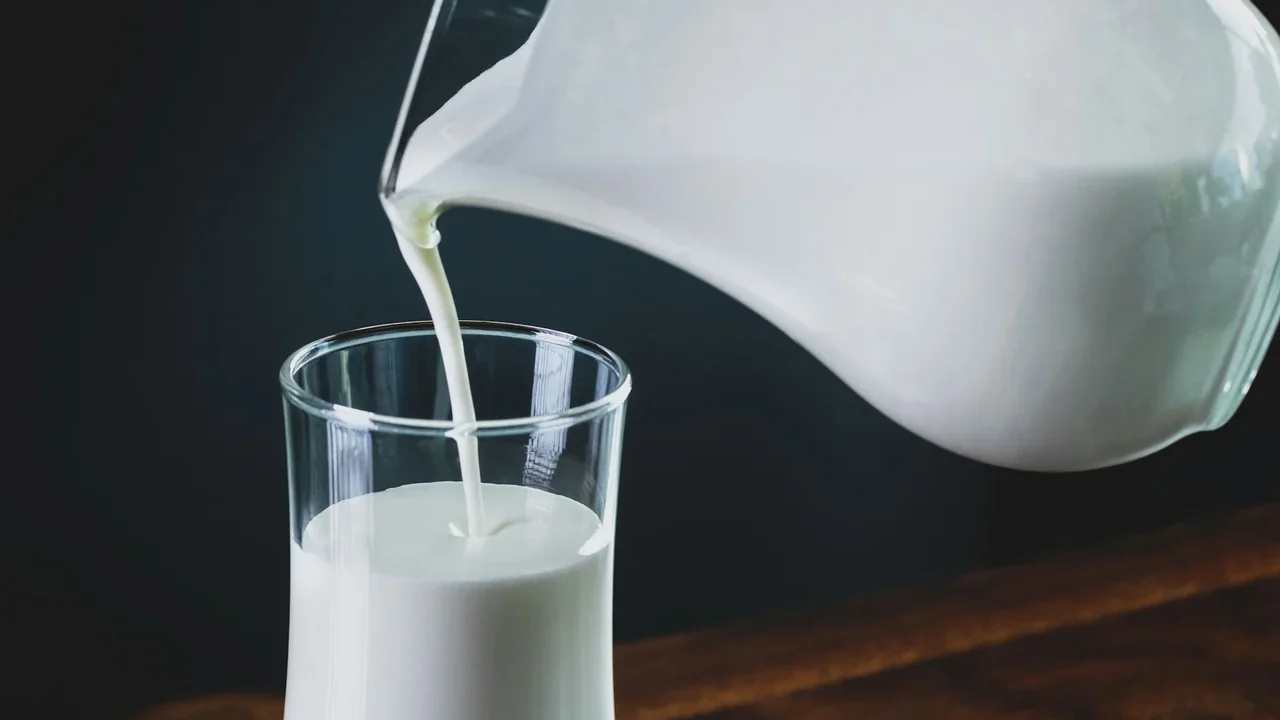
A warm basket of soft rolls has a quiet place at a holiday table. They are ready for a swipe of butter, a little gravy, or a sandwich made from the next day’s leftovers. This version uses milk in both the dough and a small flour paste called tangzhong, which helps the rolls bake up tender and easy to pull apart.
Thanksgiving in the United States is on Thursday, November 26, 2026. The recipe makes 12 rolls and can be shaped the day before, so the final rise and bake need not compete with every other dish. The method is straightforward: cook a little flour with milk, mix a soft dough, give it time to rise, then bake until lightly golden.
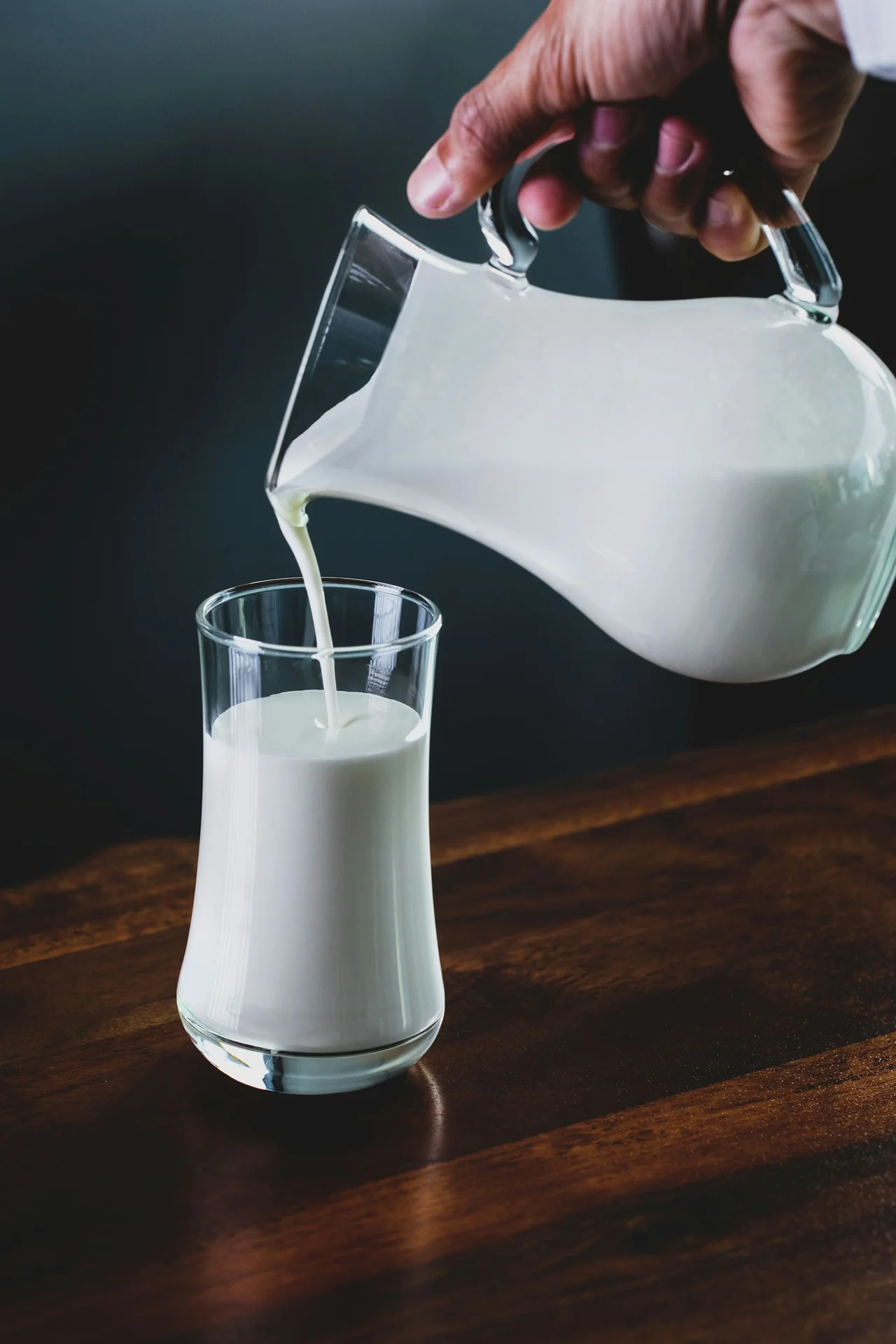
The soft milk roll sequence
Cook tangzhong
Stir flour and milk over low heat until smooth and paste-like.
Knead and rise
Knead by hand, then let the dough grow until roughly doubled.
Shape and rise
Arrange in a square pan and wait until puffy.
Bake
Bake until golden and set in the center.
Why use a milk-and-flour paste?
Tangzhong is a small cooked paste of flour and liquid. Heating the mixture thickens it before it goes into the dough. For this batch, use 20 g (about 2 tablespoons plus 1 teaspoon) of all-purpose flour and 100 ml (a little under ½ cup) of milk. Cook them together over low heat, stirring, until the mixture looks like a smooth, loose paste. This usually takes 2 to 3 minutes. Take it off the heat and let it cool until just warm.
The paste is not a shortcut around kneading or rising. It is simply one more way to build a soft texture into a milk bread dough. Keep the mixture smooth, and avoid letting it form a dry skin while it cools. A small saucepan with a spout makes the warm milk mixture easier to pour; a tri-ply milk pan is one suitable option.
Ingredients for 12 soft rolls
Measure the ingredients before beginning. If using cups, spoon flour into the cup and level the top rather than scooping firmly from the bag. A kitchen scale makes the flour quantity more consistent.
- 20 g (about 2 tablespoons plus 1 teaspoon) all-purpose flour and 100 ml (a little under ½ cup) milk, for the tangzhong
- 330 g (about 2⅔ cups) all-purpose flour, for the dough
- 7 g (about 2¼ teaspoons) instant yeast
- 25 g (2 tablespoons) sugar
- 6 g (1 teaspoon) fine salt
- 1 large egg, about 50 g without its shell
- 100 ml (a little under ½ cup) milk, lukewarm, for the dough
- 45 g (3 tablespoons plus 1 teaspoon) unsalted butter, softened
- 1 tablespoon milk or beaten egg, for brushing, optional
The milk should feel pleasantly warm, not hot. If it is too hot to touch comfortably, leave it to cool before mixing. You can use a whisk to smooth the tangzhong, but switch to a spoon or your hands when bringing the dough together. A whisk with a comfortable handle is useful for the paste and egg mixture, not for kneading the finished dough.
Mix, knead, and let the dough rise
Bring the dough together
In a large bowl, stir together the flour, yeast, sugar, and salt. Add the cooled tangzhong, egg, and 100 ml (a little under ½ cup) lukewarm milk. Mix until no large dry patches remain. The dough will feel soft and a little sticky. Add the softened butter in small pieces, working it into the dough as you knead.
Knead by hand for about 8 to 10 minutes, or use a stand mixer with a dough hook for about 6 to 8 minutes on low to medium-low speed. The dough should become smoother and more elastic. It may cling lightly to your fingers, but it should gather into a cohesive ball. Resist the urge to add a large handful of flour: a slightly soft dough is what keeps the baked rolls tender.
Give it time
Place the dough in a lightly greased bowl, cover it, and leave it in a comfortably warm spot until roughly doubled, about 60 to 90 minutes. The exact time depends on room temperature, so look at the dough rather than watching the clock alone. In a cool kitchen, it may take longer.
To check, press a floured fingertip gently into the dough. If the dent slowly begins to spring back, it is ready to shape. If it springs back immediately, give it more time. A flexible heat-resistant spatula helps gather dough from the bowl without tearing it.
Shape and bake the dinner rolls
Turn the dough onto a lightly floured surface and divide it into 12 equal pieces. For more even rolls, weigh the dough and divide the total weight by 12. Cup each portion under your palm and roll it gently against the counter until the top is smooth. Arrange the rounds in a greased 23 cm (9-inch) square baking pan, leaving a little room between them.
Cover loosely and let the rolls rise for about 35 to 55 minutes, until puffy and nearly touching. Heat the oven to 180°C (350°F) near the end of this rise. If desired, brush the tops with a little milk for a softer finish or beaten egg for more shine.
Bake for 20 to 24 minutes, until the tops are golden and the center rolls are set. If the tops brown quickly, lay a piece of foil loosely over the pan for the remaining minutes. Let the rolls rest in the pan for about 10 minutes, then lift them out or pull them apart at the table.
A small square baking pan helps keep the dough rounds snug as they rise. If using a different pan, leave enough room for the rolls to expand without crowding them tightly from the start.
Make ahead without rushing the rise
For a calmer holiday morning, prepare the dough through its first rise, shape the 12 rolls, then place them in the pan and cover tightly. Refrigerate overnight. The next day, set the pan on the counter while the oven heats, and let the rolls continue rising until visibly puffy. Depending on how cold the refrigerator is and how warm the room feels, this may take about 60 to 90 minutes or longer. Bake as directed once they look light and expanded, rather than putting cold, firm dough straight into the oven.
For a shorter make-ahead plan, bake the rolls a day ahead, cool them fully, and store them covered at room temperature. Warm them in a 150°C (300°F) oven for about 8 to 10 minutes, loosely covered with foil. For longer storage, freeze the cooled rolls in a well-sealed bag. Thaw at room temperature, then warm gently before serving.
Avoid sealing rolls while they are still warm. Trapped steam can make their tops damp. Once cooled, a covered container helps keep them from drying out.
Serve them simply, and use the leftovers
These rolls are mildly sweet and buttery, so they sit comfortably beside a savoury holiday meal without competing with it. Split them for the bread basket, pass softened butter separately, or use them to collect the last spoonfuls of gravy. For an Indian-inspired table, they also pair naturally with a gently spiced vegetable dish or a bowl of dal.
The following day, split leftover rolls and toast them lightly for breakfast, or use them for small sandwiches. If they have lost their softness, a brief warming in the oven brings back a pleasant warmth, though it will not make stale bread fresh again. You can also tear dry leftovers into pieces for a simple baked bread pudding.
For more everyday ways to bring milk into a shared meal, browse the daily milk rituals and recipes. A bread basket can be as simple as a familiar recipe made ahead, warmed gently, and passed around without fuss.
Key takeaways
- Tangzhong is a cooked flour-and-milk paste that goes into the dough.
- The recipe makes 12 soft, pull-apart rolls.
- A soft, slightly sticky dough is preferable to one made dry with extra flour.
- Shape the rolls the night before and allow them to become puffy before baking.
- Cool baked rolls fully before storing or freezing.
As an Amazon Associate I earn from qualifying purchases. Product links in this article are paid links, at no extra cost to you. Links open Amazon.in for readers in India and Amazon.com elsewhere, and Amazon may take readers in other countries to their local store. You can pick a store directly under each product. Product availability and details can change; check the listing before buying. Amazon and the Amazon logo are trademarks of Amazon.com, Inc. or its affiliates. Be More Milk is an independent publication and is not affiliated with or endorsed by any dairy brand mentioned on this site.How affiliate links work here.