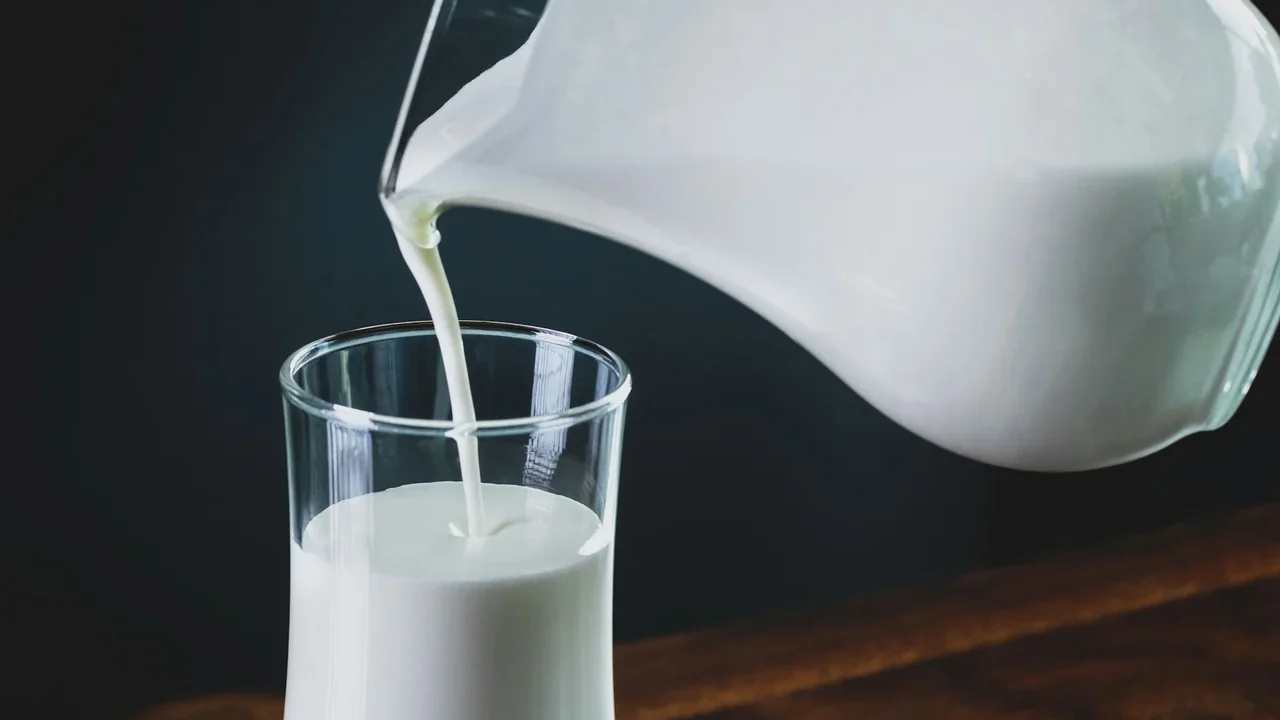
Most Indian kitchens already run a quiet fermentation every night. A spoon of yesterday's dahi goes into warm milk, the bowl is covered, and by morning there is curd. Milk kefir works on the same idea, but with a different and much older kind of starter: small, soft, cauliflower-like grains that you drop into milk, lift out a day later and use again, batch after batch, for as long as you look after them.
Kefir is having a moment. Indian business and health pages this month have been writing about fermented foods moving from niche to everyday, with small kefir brands appearing on shelves and doctors on social media showing how to make kefir curd at home. In the US, kefir has long sat next to yogurt in the dairy aisle, and more people now make their own. The good news is that kefir at home needs very little: live grains, good milk, a jar, a lid that breathes and a strainer. This guide covers each step calmly, including what changes when the weather turns cold.
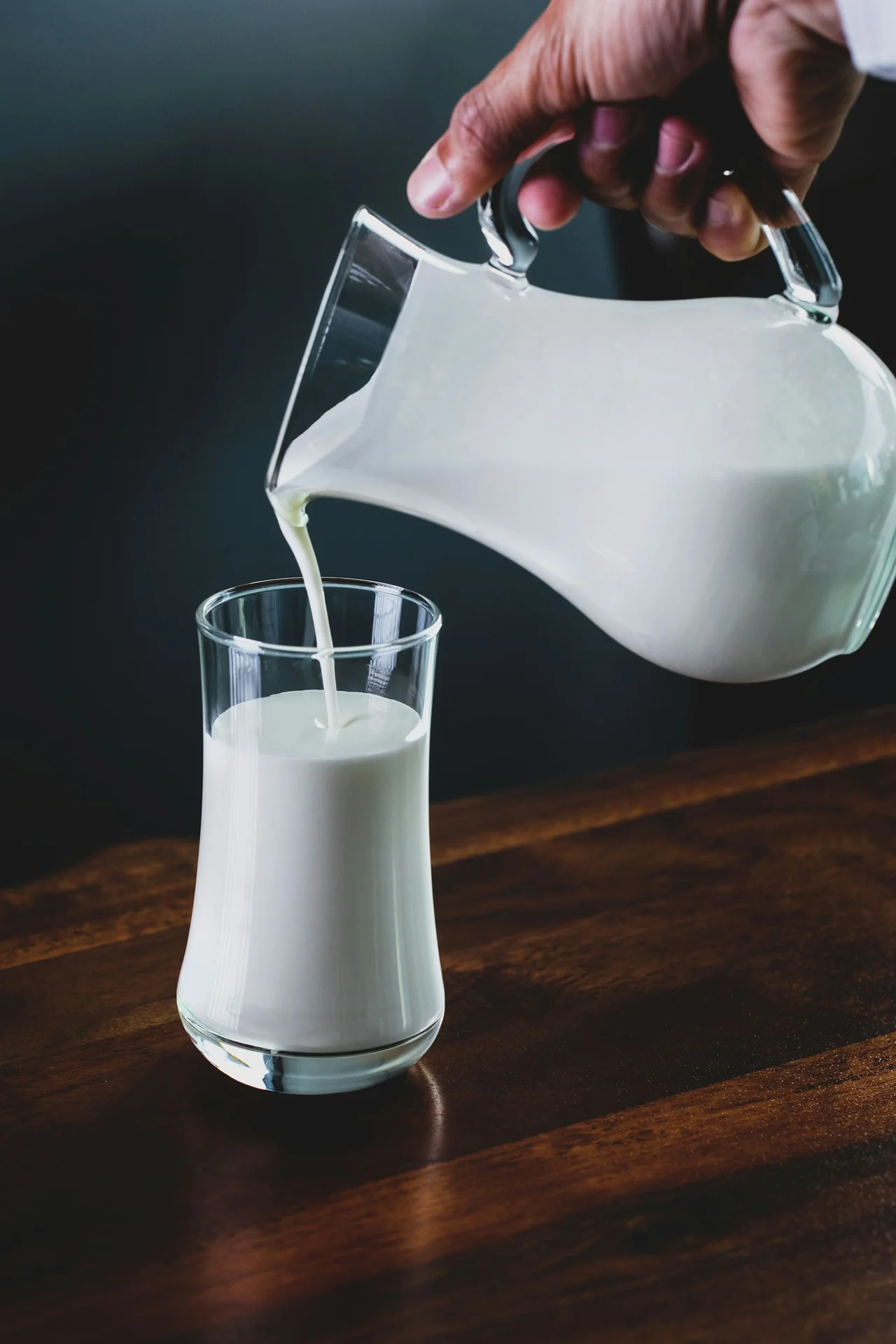
A daily kefir rhythm
Feed the grains
Cover the grains with fresh milk in a clean jar.
Leave it to work
Keep the jar at a steady room temperature, out of direct sun.
Strain the drink
When it has thickened and tastes pleasantly tart, strain off the grains.
Start the next jar
Put the grains straight into fresh milk and keep the cycle going.
What kefir is, and how it differs from dahi
Kefir grains are not grains of any cereal. They are a living cluster of lactic acid bacteria and yeasts held together in a soft, rubbery matrix that they make themselves. Placed in milk at room temperature, they sour and gently thicken it in about a day.
The result is not quite like dahi. Kefir is usually pourable rather than set, with a clean sourness and a faint fizz from the yeasts. Dahi relies mainly on bacteria and is restarted from a spoon of the last batch. Kefir carries its own culture in the grains, which grow slowly as you use them.
If you already make curd, our guide to paneer, hung curd and winter dahi covers that tradition. Kefir sits happily alongside it, as a second cultured milk with its own character.
Starting with live grains
You can buy kefir as freeze-dried powder sachets, which are easy but usually last only a few rounds. Live grains are the traditional route and the one that becomes a daily ritual. They often need two or three batches to wake up fully after travelling. Expect the first batches to be thin or uneven. That is normal.
Weather changes the clock
Timing
Warm rooms can be ready in about 12 to 16 hours; cooler rooms may need 24 to 48 hours. Taste, rather than the clock alone, is the better guide.
Timing ranges as stated in this article.
Which milk to use
Pasteurised cow or buffalo milk works well. Full cream milk gives a thicker, rounder kefir, and toned milk a lighter one. Avoid raw milk for fermenting at home, since cultured foods made from raw milk carry more food safety risk. Packets of UHT or long-life milk can work but often ferment more slowly. If your milk is boiled at home, let it cool fully to room temperature before the grains go in, because heat will damage them.
Start with about one tablespoon of grains per 250 ml of milk. More grains or warmer weather means a faster, sourer batch. Fewer grains or a cold kitchen means a slower, milder one.
The jar and a lid that breathes
Glass is the best home for kefir. It holds no smells and you can watch the milk thicken. A wide mouth matters more than you might expect, because you will be pouring thick kefir out and fishing grains back in every single day.
During fermentation, the jar should not be sealed tight. The yeasts make a little gas, and dust and fruit flies should stay out. A clean cloth or a coffee filter held with a rubber band works perfectly well. If you prefer something tidier, a kefir cap with a built-in strainer lets air move while keeping the grains in when you pour.
The daily rhythm, step by step
Plain milk kefir (one jar)
- 1 to 2 tablespoons live milk kefir grains
- 250 to 500 ml pasteurised milk, at room temperature
- A clean glass jar and a breathable cover
- A nylon or plastic strainer and a bowl or second jar
- Combine. Put the grains in a clean jar and pour in the milk. Leave a few centimetres of space at the top.
- Cover and rest. Cover with a cloth or a kefir cap and keep the jar somewhere steady, out of direct sun and away from the stove.
- Watch, do not rush. Check after about 12 hours. Kefir is ready when it has thickened slightly, smells pleasantly sour and pulls away from the side of the jar when tilted. Most batches take 18 to 24 hours.
- Strain. Pour through a strainer into a bowl or clean jar, stirring gently with a spoon so the thick kefir passes through and the grains stay behind.
- Start again. Put the grains straight into fresh milk in a clean jar. Refrigerate the finished kefir and use it within a few days.
Straining without stress
Straining is the one step people find fiddly, and it is where most grains get lost. Use a strainer with a fine mesh but not a tiny one, so kefir flows through and grains do not. Many kefir makers prefer nylon or plastic for daily contact with acidic kefir.
Do not rinse the grains every day. They are happiest moving straight from one batch of milk to the next. If they ever need rinsing, use cool, boiled and cooled water or a little fresh milk, never hot water.
Kefir in an Indian winter
Temperature changes everything. Kefir is most comfortable between about 20 and 26 degrees Celsius. In much of south and west India, a November kitchen sits in that range and a batch is ready in about a day. In north India, cold nights can slow the grains right down, and a jar left by an open window may still be thin after 36 hours.
- Find a warm spot. A kitchen shelf away from windows, or the top of the fridge, is often a few degrees warmer than the rest of the room.
- Use a few more grains. Adding a little more grain in cold weather keeps the timing closer to a day.
- Allow more time. Thirty hours is fine in a cold room. Still thin after 48 hours means the spot is too cold.
- In warm rooms, shorten it. In summer, or in a heated room in a US winter, kefir can be ready in 12 hours and separate into curds and whey soon after.
Taking a break and a gentle second ferment
Going away for a few days? Put the grains in a jar of fresh milk, close the lid and keep it in the fridge. Cold slows them almost to a stop. They can rest like this for about a week. Expect the first batch after a break to be a little sluggish.
Some people like to rest strained kefir for a few more hours at room temperature with a piece of orange peel, a split cardamom pod or a little cinnamon. This second ferment softens the sourness and adds flavour. A clamp-top bottle keeps it neat in the fridge afterwards.
Ways to use kefir every day
- Kefir chaas. Whisk kefir with an equal amount of cold water, roasted jeera powder, a pinch of salt and chopped coriander.
- Kefir lassi. Blend with a ripe banana or a few dates and a pinch of cardamom. Kefir is thinner than dahi, so use less water than usual.
- Overnight oats. Soak rolled oats in kefir with a little honey and fruit. By morning it is creamy and gently tangy.
- Baking. Use kefir anywhere a recipe asks for buttermilk, in pancakes, soda bread or soft dinner rolls for a Thanksgiving or Christmas table.
- Kefir cheese. Hang kefir in a muslin cloth in the fridge overnight for a soft, spreadable cheese, much like hung curd. A little salt, herbs and a drizzle of oil make an easy dip.
Warm spiced milk still has its place on cold evenings, as in our super milks guide. Kefir is the cool, bright counterpart for daytime.
Small fixes for common problems
- Still thin after a day: the room is cold or the grains are new. Give it more time, add a few more grains, or move the jar somewhere warmer.
- Separated into curds and clear whey: it fermented too long or too warm. Shake it back together and use it, then shorten the next batch or use more milk.
- Very sour or yeasty: too many grains for the milk. Remove some grains, or use more milk.
- Pink, black, green or fuzzy spots, or a rotten smell: discard the batch and the grains. Clean kefir smells sour and slightly yeasty, never putrid.
A note on balance
This article is about technique and flavour, not about treating or preventing any condition. Kefir is a cultured milk food, and like other fermented foods it is best enjoyed as part of a varied diet. Long or warm ferments can also produce a trace of alcohol. If you are pregnant, have a weakened immune system, are managing a medical condition or are unsure whether fermented foods suit you, please ask a doctor or registered dietitian first. Always use clean equipment and pasteurised milk, and when in doubt, throw a batch out.
The ritual behind the jar
Kefir asks for a few minutes a day: strain, refill, cover, rest. In return it gives you a small, living rhythm in the kitchen that grows a little each week. That patience is one of the quieter virtues milk has always taught, and you can read more about it in the five virtues of milk. For more small daily practices built around milk, visit our rituals page.
Key takeaways
- Milk kefir is a repeating cycle: feed the grains, wait, strain, and feed them again.
- A warm room can be ready in about 12 to 16 hours; a cool room may need 24 to 48 hours.
- Taste and thickness tell you more than a fixed hour on the clock.
- Keep the grains in fresh milk after each batch so the culture stays active.
As an Amazon Associate I earn from qualifying purchases. Product links in this article are paid links, at no extra cost to you. Links open Amazon.in for readers in India and Amazon.com elsewhere, and Amazon may take readers in other countries to their local store. You can pick a store directly under each product. Product availability and details can change; check the listing before buying. Amazon and the Amazon logo are trademarks of Amazon.com, Inc. or its affiliates. Be More Milk is an independent publication and is not affiliated with or endorsed by any dairy brand mentioned on this site.How affiliate links work here.