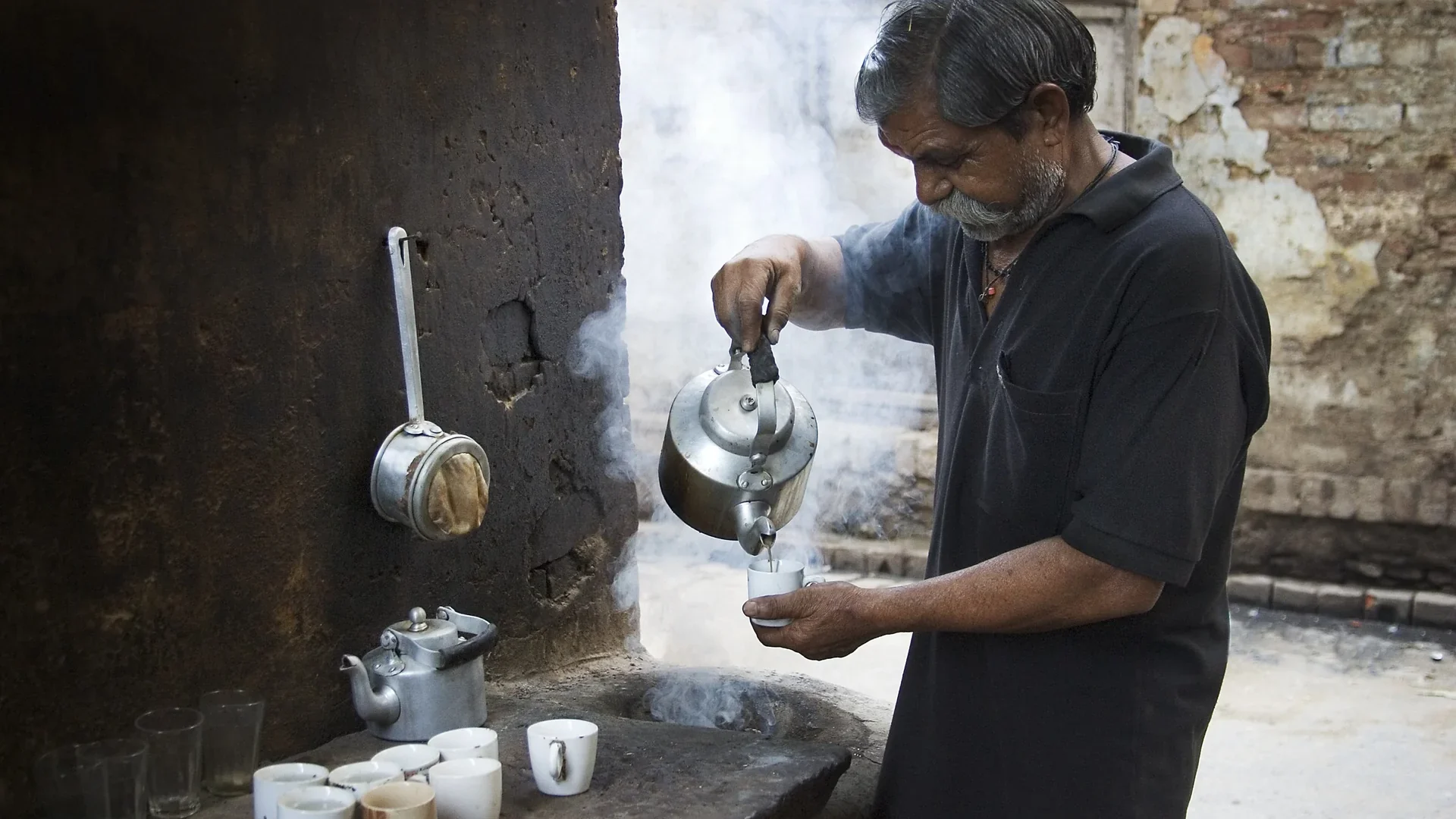
Wherever tea travelled, milk was waiting for it. In India it became chai, simmered with spices in one pot. In Malaysia it was poured from a height until it foamed. In Hong Kong it was strained through cloth and softened with evaporated milk. In Thailand it was brewed strong, sweetened and poured over ice, and in Taiwan it picked up chewy pearls and became a global craze. Each cup is a small lesson in how one simple ingredient can blend into a culture and still taste like itself.
Milk tea is very much in the conversation this month. Ipsos's 2026 beverage trends report lists milk tea among the familiar drinks people are trading up on, with comfort, texture and playful twists driving choice, and Thai tea as one of the most ordered drinks on a major Southeast Asian delivery app. Chinese campuses are queueing for novelty milk teas in cups almost half a metre tall, and an osmanthus milk tea from a Chinese drama has been doing the rounds on Indian food pages. Meanwhile, winter evenings, wedding season in India and holiday gatherings in the US all call for something warm and shareable. This guide shows how to make four classic milk teas at home, with the milk, tea and small tools each one depends on.
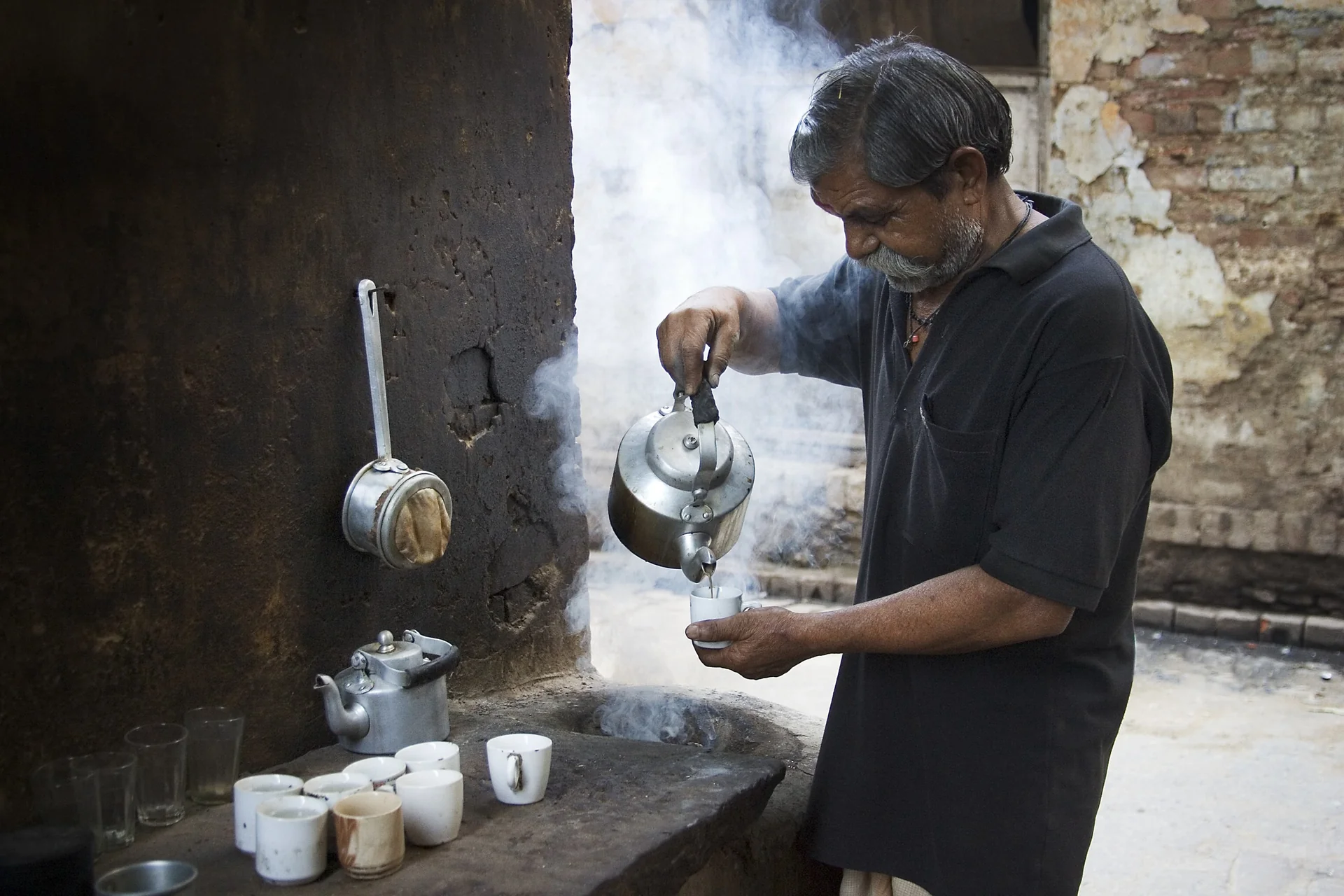
Four milk teas, four kitchens
Masala chai
Spiced milk tea, usually simmered, familiar across Indian kitchens.
Teh tarik
A pulled milk tea, stretched between two vessels for body and froth.
Thai milk tea
A strongly brewed tea lightened with milk and a distinct spice profile.
Hong Kong milk tea
A smooth cup made by straining a strong brew, often with evaporated milk.
What every milk tea has in common
Before the recipes, it helps to see the shared logic. A good milk tea needs tea that is brewed strong enough to stand up to milk, otherwise the cup tastes flat and milky rather than rich. It needs a choice of milk: fresh whole milk, evaporated milk (milk slowly cooked down to remove part of its water) or sweetened condensed milk. And it needs a technique that gives the drink its texture, whether that is boiling, pulling, straining or shaking over ice.
The milk choice changes everything. Fresh whole milk gives a clean, light cup. Evaporated milk gives body and a gentle cooked flavour. Condensed milk adds sweetness and a caramel note at the same time. If you prefer to cook from fresh milk, you can make a simple stand-in for evaporated milk by simmering full cream milk in a wide pan until it reduces by about a third, stirring now and then. Cool it and keep it in the fridge for two or three days.
If your home tradition is Indian chai, our guide to masala chai at home covers the one-pot simmered method. The teas below work differently: in most of them, the tea is brewed first and the milk is added at the end.
Teh tarik: the pulled tea of Malaysia and Singapore
Teh tarik means pulled tea. A strong black tea is mixed with condensed milk, then poured back and forth between two vessels held far apart. The long pour cools the tea to a drinkable temperature, blends the milk evenly and builds a thick cap of foam. At hawker stalls it is a performance. At home, a short, steady pull works just as well.
Teh tarik (two cups)
- 2 tablespoons strong loose black tea, such as Assam CTC
- 400 ml water
- 3 to 4 tablespoons sweetened condensed milk, to taste
- 2 to 3 tablespoons evaporated milk or reduced whole milk
- Brew strong. Boil the water, add the tea and simmer for 3 to 4 minutes. The colour should be very dark.
- Strain and sweeten. Strain into a jug and stir in the condensed and evaporated milk until smooth.
- Pull. Pour from one jug into a second, starting close together and slowly increasing the distance as you get comfortable. Repeat five or six times until a thick foam forms.
- Serve at once. Pour into glasses and let the foam settle on top.
Practise over the sink with tea that is hot but no longer boiling, and keep the height modest until your hands are sure. Two vessels with spouts make the pour far easier to control than open saucepans.
Hong Kong milk tea: strong, silky and strained through cloth
Hong Kong style milk tea grew out of British afternoon tea and the city's busy cha chaan teng cafes. It is known locally as silk stocking milk tea, because the tea is strained through a long cotton filter that, after years of use, turns the colour of brown stockings. The cloth catches the finest tea dust, and pouring the brew through it several times makes the tea smoother and stronger at once.
Hong Kong milk tea (two cups)
- 3 tablespoons loose black tea (a mix of a strong broken leaf and a finer dust tea works best)
- 500 ml water
- 120 to 150 ml evaporated milk or reduced whole milk
- Sugar to taste, served on the side
- Simmer. Bring the water to a boil, add the tea and simmer on low for 5 to 6 minutes.
- Pull through cloth. Pour the tea through a cloth filter into a second pot, then pour it back through the leaves. Repeat three or four times.
- Milk first, tea second. Put the evaporated milk in the cups, then pour the hot tea over it. Sweeten at the table.
Thai tea: bright, sweet and poured over ice
Cha yen, or Thai iced tea, is made from a black tea mix that usually includes spices and a vanilla note, and often a food colouring that gives the drink its famous orange glow. It is brewed very strong, sweetened while hot and poured over crushed ice, with milk floated on top so it swirls down through the glass. In winter, the same brew is lovely served hot with a splash of warm milk.
- Brew. Steep 3 tablespoons of Thai tea mix in 500 ml just-boiled water for 5 minutes, then strain well. A cloth filter works best because the mix is very fine.
- Sweeten while hot. Stir in sugar and a spoon or two of condensed milk to taste. Cool the tea before pouring it over ice, so the ice does not melt straight away.
- Finish with milk. Fill glasses with ice, pour in the tea to about three quarters, then top with cold whole milk or evaporated milk.
Bubble milk tea: Taiwan's chewy contribution
Bubble tea, or boba, began in Taiwan in the 1980s, when cafes started adding cooked tapioca pearls to sweet milk tea. The pearls are made from cassava starch. Cooked well, they are soft outside with a gentle chew in the centre. The most popular style today is brown sugar milk, where the pearls are coated in dark sugar syrup and streaked up the inside of a glass of cold fresh milk, often with no tea at all.
- Cook the pearls. Follow the pack timings, since they vary a lot between brands. Stir as they go in so they do not stick, then cover and let them rest off the heat if the pack suggests it.
- Coat in syrup. Drain, rinse briefly, then stir into a warm syrup of dark brown sugar or jaggery melted with a little water.
- Build the glass. Spoon pearls and syrup into a glass, tilt it to streak the sides, add ice if you like, then pour in cold milk or cooled black tea with milk.
Tapioca pearls are best eaten within a few hours of cooking. They harden in the fridge, so cook only what you will use.
Pearls need a wide straw. A normal straw blocks instantly, and disposable wide straws pile up quickly if bubble tea becomes a weekend habit.
Hosting a milk tea table
Milk teas make a warm, generous centrepiece for a winter gathering, a mehendi evening or a Thanksgiving weekend with friends. Brew the tea bases ahead and keep them in jugs, keep fresh milk, evaporated milk and condensed milk in small bowls, and let guests build their own cups. A pot of hot teh tarik for the cold, a tray of iced Thai tea for those who like it sweet and a bowl of warm pearls in brown sugar syrup cover most tastes. Offer unsweetened tea and plain milk too, so everyone can choose how sweet their cup is.
A note on balance
Many milk tea traditions are sweet, and cafe versions can carry a lot of added sugar. At home you decide: start with half the condensed milk or sugar in a recipe and add more only if you miss it. Tea contains caffeine, so evening cups can be made with less tea or a decaffeinated black tea. Whole tapioca pearls are a choking risk for young children and should not be given to them. This article is about flavour and technique, not health benefits, and anyone with a medical condition or dietary concern should check with a doctor or registered dietitian.
One ingredient, many cultures
Put the four cups side by side and you see the quiet genius of milk. It softens strong tea, carries sweetness and spice, holds a foam and dresses up a glass of pearls, and in each place it takes on the local character without losing its own. That is the idea behind the art of the blend: fit in gracefully, stay yourself. If you enjoy slow drinks for cold evenings, try our real hot chocolate with milk next, and for more daily practices built around milk, visit our rituals page.
Key takeaways
- Milk tea is a family of methods, not a single recipe.
- Masala chai, teh tarik, Thai milk tea, and Hong Kong milk tea each rest on a different texture and brew.
- What they share is milk used to soften a strong tea, not to hide it.
- Copying the method matters more than copying a brand name for the drink.
As an Amazon Associate I earn from qualifying purchases. Product links in this article are paid links, at no extra cost to you. Links open Amazon.in for readers in India and Amazon.com elsewhere, and Amazon may take readers in other countries to their local store. You can pick a store directly under each product. Product availability and details can change; check the listing before buying. Amazon and the Amazon logo are trademarks of Amazon.com, Inc. or its affiliates. Be More Milk is an independent publication and is not affiliated with or endorsed by any dairy brand mentioned on this site.How affiliate links work here.