The first cold mornings of November change the sound of a kitchen. The pressure cooker can wait. What you hear first is a small pan on the stove, milk rising towards the rim, and someone tapping cardamom pods open with the back of a spoon. Masala chai is not a recipe so much as a daily habit of attention, and winter is when it matters most.
It is also having a moment far beyond India. Cafes in the US report chai drinks climbing their menus every autumn, homemade chai concentrate keeps going viral as the make-ahead drink of cosy season, and searches for chai flavour have jumped sharply this month, with chai showing up in candles, perfumes and even lip colours. Much of that is lovely. Some of it, like syrup pumped from a bottle, is far from the milky, spiced tea that has warmed Indian homes for a century. This guide is about the real thing, made with whole spices and good milk, plus an honest shortcut for the mornings when there is no time.
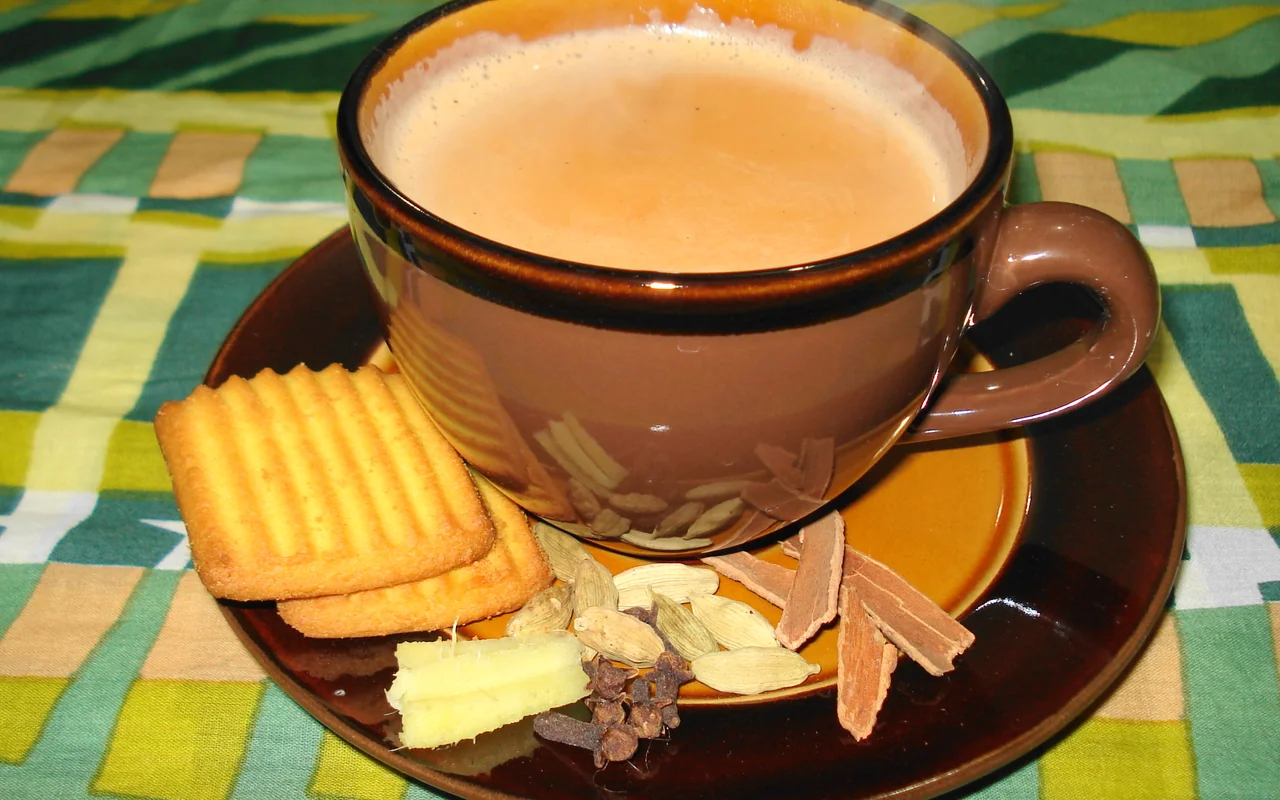
Why milk is the heart of chai
Black tea on its own is brisk and slightly bitter. Spices on their own are sharp. Milk is what brings them together. It softens the tannins in the tea, carries the fragrance of cardamom and ginger, and gives the cup the body that makes it feel like a meal on a cold morning. Food writers who trace the history of masala chai point out that street vendors began adding spices in the early twentieth century partly to make cheap, strong tea taste better, and milk was always part of that bargain.
That is why whole milk, or at least toned milk with some body, makes the best chai. Very thin milk gives a watery cup no matter how much tea you add. It is the same lesson we keep returning to in The Art of the Blend: milk adapts to whatever it meets, chai, coffee or matcha, and still remains recognisably itself.
Step one: make your own chai masala
A ready-made masala is convenient, but ground spices fade quickly once the packet is open. Grinding a small batch yourself every two or three weeks is the single biggest improvement you can make to your chai, and it takes about ten minutes.
A simple winter chai masala (about 12 cups)
- 2 tablespoons green cardamom pods
- 1 tablespoon black peppercorns
- 1 teaspoon cloves
- 2 sticks of cinnamon (about 3 inches each), broken
- 1 tablespoon fennel seeds (optional, for sweetness)
- 2 teaspoons dry ginger powder (saunth), stirred in after grinding
- A pinch of nutmeg, also stirred in after grinding
Warm the whole spices in a dry pan over low heat for two or three minutes, just until fragrant. Let them cool completely, then grind to a coarse powder and stir in the dry ginger and nutmeg. Store in a small airtight jar away from the stove. Use about a quarter teaspoon per cup.
You can grind the blend in a mixer jar, but small quantities tend to spin around the blades without breaking. A heavy mortar and pestle is slower, quieter and much better at cracking cardamom and pepper, and you control how coarse the powder is. Coarse masala releases flavour steadily as it simmers, which is exactly what you want.
Step two: the slow stovetop method
Every family has its own order of operations, and every family thinks theirs is the correct one. This is a reliable method for two cups that you can adjust to taste.
- Wake the spices in water. Bring 200 ml of water to a boil with a thumb-sized piece of fresh ginger, crushed or grated, and two lightly crushed cardamom pods. Let it bubble for two minutes. Fresh ginger goes in early because it needs time to soften.
- Add the tea. Stir in two heaped teaspoons of strong loose black tea, such as Assam CTC, and boil for another minute until the water is deep amber.
- Add the milk. Pour in 250 ml of whole milk, add half a teaspoon of your chai masala and sugar or jaggery to taste. Jaggery can sometimes split hot milk, so if you use it, stir it in at the very end, off the heat.
- Let it rise, twice. Bring the chai up until it climbs the sides of the pan, lower the heat, and let it settle. Do this two or three times. This gentle simmering is what thickens the chai and blends the flavours, and it is the step that quick recipes skip.
- Strain and pour. Strain straight into cups and drink it while it is hot.
The pan matters more than people think. Milk scorches easily on a thin base, and a burnt note is impossible to hide in chai. A heavy pan with an even base heats gently, and a pouring spout makes the last step far less messy.
Then there is the strainer. Many Indian kitchens own a strainer so old that its mesh has gone soft and lets through a gritty film of tea dust and ginger fibres. A fine mesh is worth replacing every so often.
Step three: a whole-spice concentrate for busy mornings
The viral chai concentrate exists for a good reason. On a weekday morning, standing at the stove letting milk rise twice can feel impossible. A well made concentrate keeps most of the character of real chai, as long as it is built on whole spices and real tea rather than flavoured syrup.
Weekday chai concentrate (about 6 to 8 cups)
- 1 litre water
- 4 tablespoons strong loose black tea
- A large piece of fresh ginger (about 40 g), sliced
- 1 tablespoon of your coarse chai masala, or 8 crushed cardamom pods, 6 cloves, 10 peppercorns and 2 cinnamon sticks
- Sugar or jaggery to taste, or leave it unsweetened and sweeten each cup
Simmer the water, ginger and spices gently for 15 minutes. Turn off the heat, add the tea, cover and steep for 5 minutes. Strain well, sweeten if you like, and let it cool before bottling. To serve, mix equal parts concentrate and milk in a small pan and heat until it just rises, or warm and froth the milk separately and pour it over.
Recipes disagree on how long a concentrate keeps. A cautious rule is to keep it covered in the fridge and use it within about five days, and to make smaller batches rather than a giant one. Freezing it in ice cube trays is a good option if you want it to last longer.
Be honest with yourself about what the shortcut gives up. A concentrate never has milk simmering with the tea and spices, so the cup is lighter and a little less rounded than stovetop chai. Heating the concentrate and milk together for a minute, rather than just stirring them, brings it closer. Think of it as the weekday version, with the slow pot saved for Sunday.
The cup you drink it from
Anyone who has had chai at a railway station or a roadside stall in winter remembers the kulhad, the small unglazed clay cup that gives the tea a faint earthy aroma and keeps your hands warm. Kulhads have been coming back into homes and cafes, partly for nostalgia and partly because clay is a gentle, natural material to drink from.
A few practical notes. Rinse new kulhads and soak them in clean water for a while before the first use. Wash them with hot water and a brush rather than soap, since clay can absorb flavours. Let them dry fully between uses. Handmade clay varies, so check each listing for food safe glazes or finishes if that matters to you.
Winter variations worth trying
Once the basic method feels natural, chai becomes a canvas. A few gentle variations for the cold months:
- Tulsi and ginger chai: add a few fresh tulsi leaves with the ginger for a bright, herbal note.
- Gur chai: sweeten with jaggery, added off the heat, for a deeper caramel flavour.
- Kesar elaichi chai: a few strands of saffron soaked in warm milk, with extra cardamom, for festive mornings.
- Thanksgiving chai: for readers in the US, a spoon of pumpkin puree and a little extra cinnamon in the milk makes a lovely holiday version without any syrup at all.
- Caffeine-free evening cup: skip the tea entirely and simmer milk with the masala and a little turmeric, close to the golden milk in our Super Milks guide.
A note on balance
Chai is a comfort, not a cure. Spices like ginger and cardamom are wonderful flavours, but this article makes no health claims about them. Tea contains caffeine and most chai contains sugar, so many people enjoy one or two cups a day and keep the sweetness modest. If you have a medical condition, are pregnant, or are unsure about caffeine or dairy, ask a doctor or registered dietitian what suits you.
The ritual is the point
The trend cycle will move on from chai eventually, as it does from everything. The pan on the stove will not. What makes masala chai special is not a secret ratio of spices. It is the few minutes of standing still while the milk rises, the cracking of cardamom, the cup handed to someone else first. It is a daily practice of comfort, which is one of the virtues we wrote about in The 5 Virtues.
This week, grind one small jar of masala and make a pot the slow way on the coldest morning. Keep a bottle of concentrate for the rushed days if you need it. And if you are building a whole winter kitchen around milk, our winter protein ritual and the daily rituals page are good places to continue.
As an Amazon Associate I earn from qualifying purchases. Product links in this article are paid links, at no extra cost to you. Links open Amazon.in for readers in India and Amazon.com elsewhere, and you can pick a store directly under each product. Product availability and details can change; check the listing before buying. Amazon and the Amazon logo are trademarks of Amazon.com, Inc. or its affiliates. Be More Milk is an independent publication and is not affiliated with or endorsed by any dairy brand mentioned on this site.How affiliate links work here.