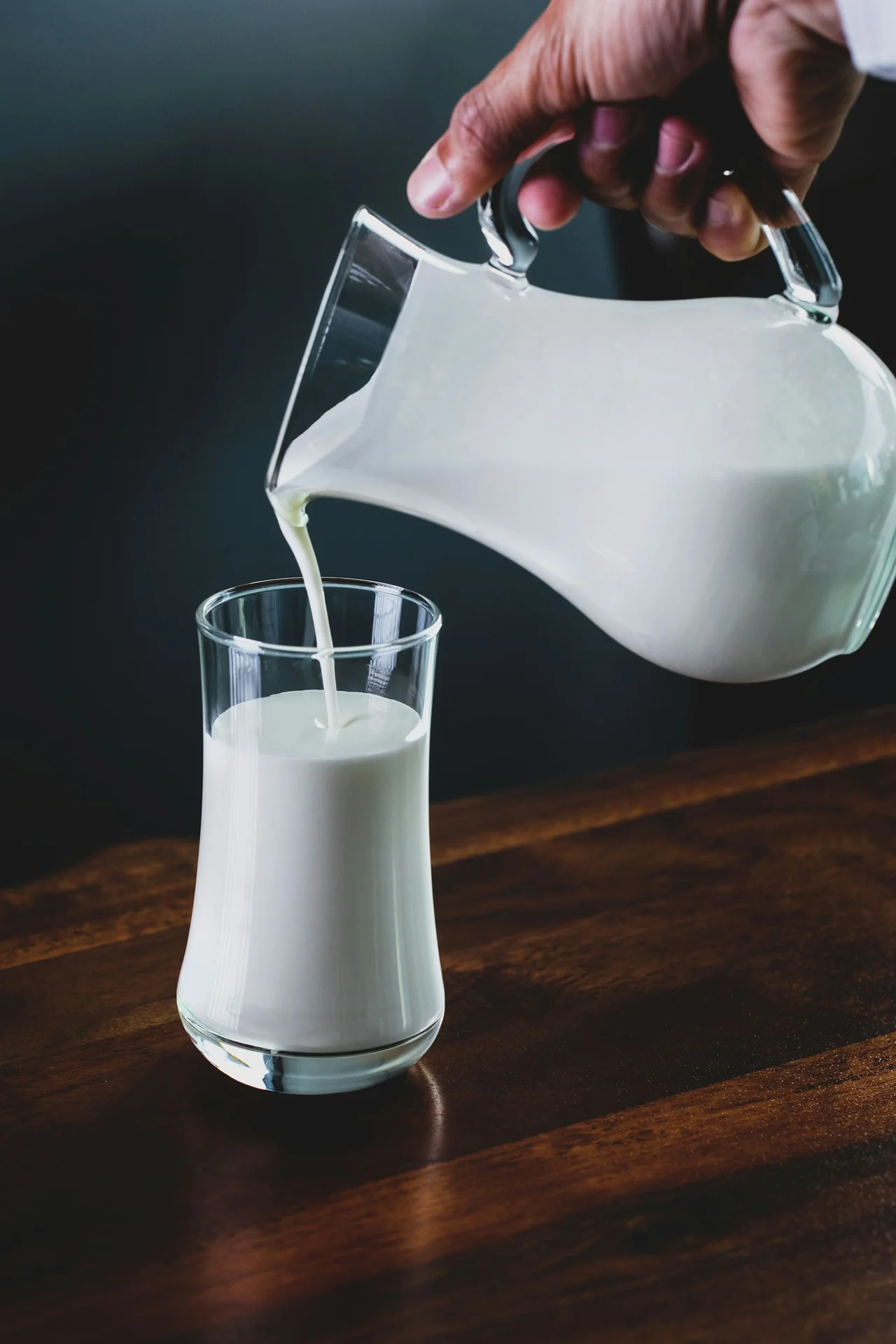
Everyone is talking about protein this year. Protein chai, protein kulfi, protein namkeen, protein everything. Supermarket shelves in Mumbai and Minneapolis alike now shout grams per serving in letters bigger than the brand name. Yet the most honest protein in most kitchens has been sitting in the fridge all along, in a plain pouch or jug of milk.
This is a guide to a slower answer. With one litre of milk, a lemon, a spoon of yesterday's curd and a piece of cloth, you can make three foods that people are paying a premium for: fresh paneer, thick hung curd (what much of the world calls Greek yogurt or labneh) and a pot of set dahi. None of it needs a powder, a scoop or a label. It needs a little attention, which in winter is exactly what milk asks of us.
Why the protein conversation keeps coming back to milk
Industry reports this year describe high-protein dairy as one of the fastest growing food categories in India, and the cottage cheese revival on social media shows the same instinct in the West. The reason is simple. For a large share of people, especially vegetarians, dairy is the most familiar and trusted way to eat more protein without changing what dinner looks like.
Here is the quiet arithmetic. A glass of whole milk carries roughly 3 grams of protein per 100 ml. Turn that milk into paneer and the protein concentrates, because you keep the curds and drain away most of the water. Hang plain curd in a cloth for a few hours and something similar happens: the spoonful becomes thicker, richer and denser in protein than the curd you started with. You are not adding anything. You are simply taking water out, which is about as unadulterated as cooking gets.
That is why this ritual fits the philosophy we keep returning to in The 5 Virtues. Purity is not a slogan here. It is the method.
Before you begin: the three tools that matter
You can make all three foods with a steel pot, a sieve and an old cotton dupatta, and generations of cooks have. If you make them every week, though, three small things make the work calmer and the results more consistent: a proper straining cloth, a thermometer, and something that keeps curd warm on a cold night. We will meet each one where it earns its place, rather than in a shopping list at the end.
Ritual one: fresh paneer in twenty minutes
Paneer is the most generous thing you can do with a litre of milk. Full-fat milk gives the softest, sweetest result. Toned milk works too, but the paneer will be firmer and the yield smaller.
- Heat with patience. Bring one litre of whole milk to a gentle boil in a heavy pot, stirring the bottom so it does not catch.
- Let it settle. Turn off the heat and wait a minute or two. Milk that is just off the boil, around 80 to 85°C, gives tender curds. Milk that is too hot makes rubbery paneer.
- Add the acid slowly. Mix the juice of one large lemon (or two tablespoons of vinegar) with an equal amount of water. Pour it in a little at a time, stirring gently, until the milk separates into soft white curds and a clear, greenish whey.
- Strain and rinse. Pour everything through a cloth set over a bowl. Keep the whey. Rinse the curds briefly under cool water to wash away the lemon taste.
- Press. Gather the cloth, twist out the excess liquid, shape it into a flat block and put something heavy on top for 30 to 45 minutes.
A litre of whole milk usually gives around 180 to 220 grams of paneer, enough for two people's dinner. Cut it into cubes and keep it in a bowl of cold water in the fridge. It is best within two days.
Do not pour away the whey
The pale liquid left behind still carries some protein, along with lactose and minerals. Use it to knead roti or paratha dough, to cook rice or dal in place of water, or to thin a soup. It is a small act of respect for the milk, and it makes the softest phulkas.
Ritual two: hung curd, India's original Greek yogurt
Long before Greek yogurt was a supermarket category, Indian kitchens tied curd in a cloth and hung it from a tap to make chakka, the base of shrikhand. The method has not changed. Spoon plain curd into a cloth, tie it loosely, and let it drain in the fridge for four to eight hours. The longer it hangs, the thicker it becomes: spoonable after a few hours, almost like soft cheese by morning.
Hung curd is endlessly useful. Season it with salt, roasted jeera and chopped mint for a dip. Fold it with fruit and a little honey for breakfast. Use it as the base of a marinade or a raita that does not turn watery. Mix it with grated paneer, vegetables and spices for the dahi paneer kebabs that keep doing the rounds online.
The drained liquid is whey again, so it goes into the same dough or dal as before.
Ritual three: setting dahi when the kitchen is cold
Every winter the same complaint returns: the curd will not set. The culture that turns milk into dahi is happiest at roughly 40 to 45°C at the start and in a warm place afterwards. In May that happens on its own. In December, a kitchen at 15°C slows it almost to a stop, and the result is thin, sour or simply milk.
Here is the winter method:
- Boil, then cool to lukewarm. Boil the milk and let it cool until it feels comfortably warm on your wrist, about 40 to 45°C. Too hot kills the culture. Too cool and it will not wake up.
- Use fresh starter. Stir in one teaspoon of good curd for every 500 ml of milk. Fresh, mildly sour starter works far better than curd that has been in the fridge for a week.
- Keep it warm. Cover the pot and wrap it in a towel, then place it inside a closed oven with only the light on, inside a casserole, or in a cupboard near the warmest part of the house.
- Give it time. In summer, five or six hours is enough. In winter, allow eight to twelve. It is ready when it sets in one piece and pulls cleanly from the side of the pot.
If you set curd every day, a multicooker with a yogurt or low-temperature setting removes the winter problem entirely, because it holds the milk at the right warmth for as long as the culture needs. The same pot boils the milk first, so there is one less vessel to wash.
For readers in India, there is also the oldest incubator of all. Unglazed clay holds gentle warmth, and because it is slightly porous it draws away a little water as the curd sets. Dahi set in a matka or handi is noticeably thicker and has a faint earthy sweetness that steel and glass cannot give.
One litre, a whole day of meals
The beauty of this ritual is how much of a day it can quietly feed. One way to use it:
A day from the milk pot
- Breakfast: warm vegetable paneer bhurji with toast, or hung curd with fruit, nuts and a little honey.
- Lunch: rotis kneaded with whey, a bowl of dal, and cucumber raita made with hung curd.
- Evening: dahi paneer kebabs, pan cooked with a brush of ghee, with mint chutney.
- Night: a cup of turmeric milk from our Super Milks guide, and tomorrow's dahi already setting.
Nothing here is a supplement. It is simply milk, handled with care.
A note on balance
Food-first protein is a lovely habit, not a medical plan. Paneer and hung curd are rich foods, so enjoy them as part of varied meals with dal, vegetables and grains. If you have lactose intolerance, kidney concerns, a specific fitness target or any medical condition, a doctor or registered dietitian is the right person to tell you how much protein suits you.
The slower way to be strong
There is something worth noticing in all of this. The protein trend sells speed: shakes in thirty seconds, bars in a wrapper. These rituals ask for the opposite. You wait for the milk to boil, you wait for the curds to drain, you wait overnight for the dahi to set. Like the people described in The Art of the Blend, milk adapts to every kitchen it enters without losing itself. All it asks is a little warmth and a little time.
This winter, try making one of the three each week. Start with paneer, because it rewards you in twenty minutes. Then hang some curd. Then set a pot of dahi on the coldest night of the month and wake up to find it firm. For more slow habits like this, our daily rituals page is a good next stop.
As an Amazon Associate I earn from qualifying purchases. Product links in this article are paid links, at no extra cost to you. Links open Amazon.in for readers in India and Amazon.com elsewhere, and you can pick a store directly under each product. Product availability and details can change; check the listing before buying. Amazon and the Amazon logo are trademarks of Amazon.com, Inc. or its affiliates. Be More Milk is an independent publication and is not affiliated with or endorsed by any dairy brand mentioned on this site.How affiliate links work here.