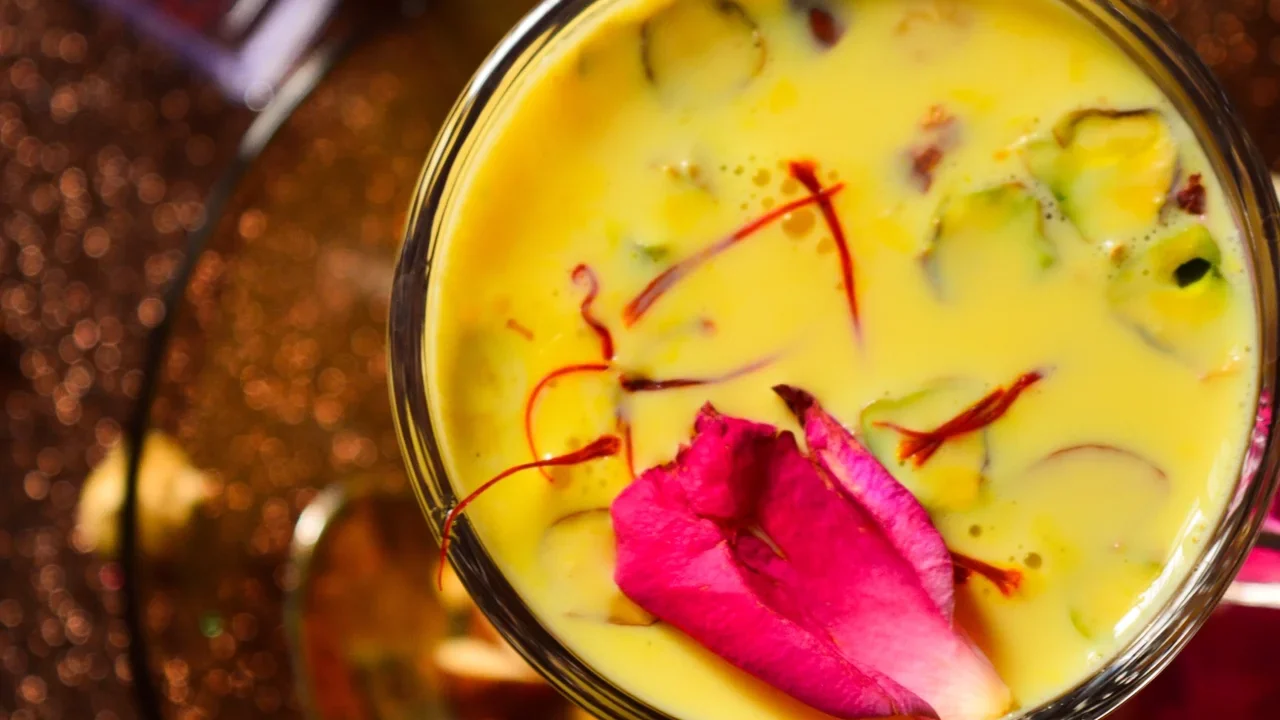
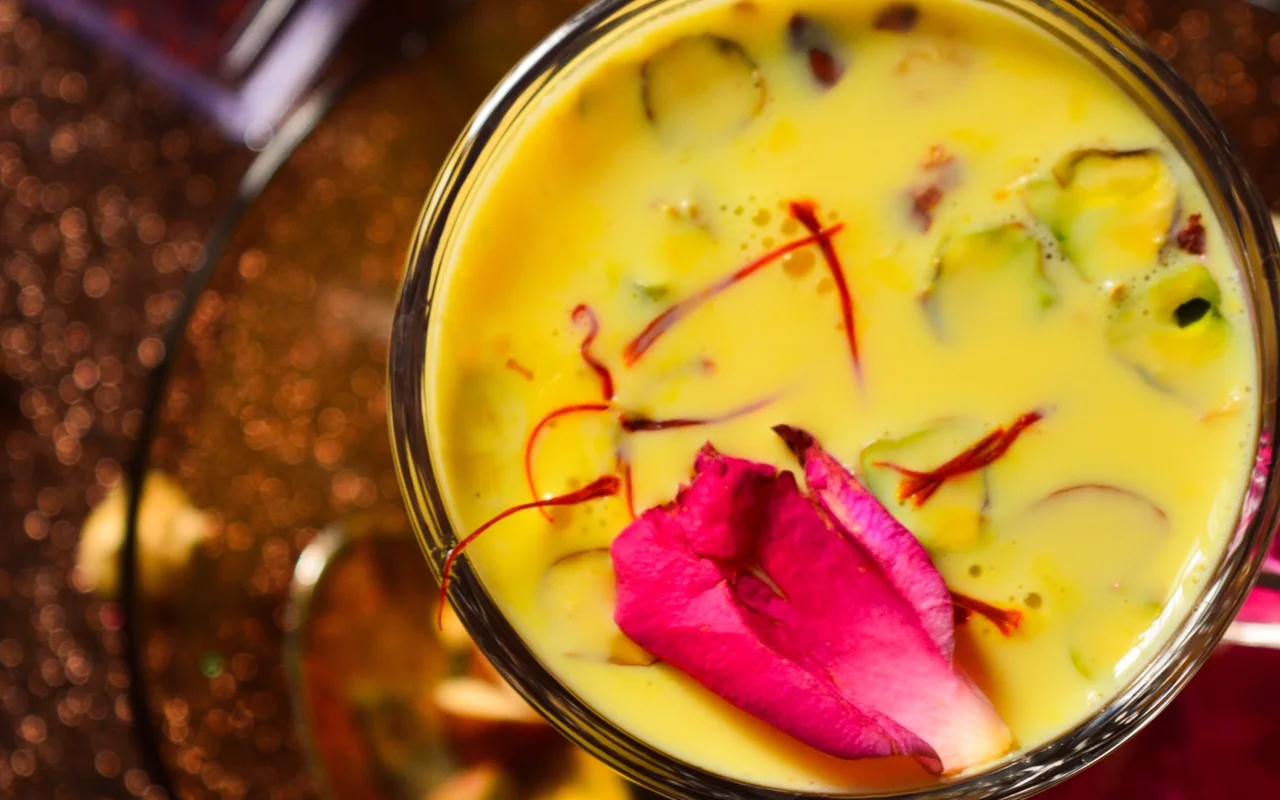
Thanksgiving desserts often arrive after a full table, so something softly set and not too elaborate can feel just right. This pumpkin milk custard brings together smooth pumpkin, milk, eggs and familiar warming spices in a spoonable dessert that can be prepared ahead.
The method is simple: warm the milk gently, temper it into the eggs, then bake the custard in a water bath until just set. Serve it warm for a tender finish, or chill it overnight for a cooler, firmer spoonful. For Thanksgiving 2026, which falls on November 26, it offers a calm make-ahead option without pie crust or a complicated finish.
Why a milk custard belongs on the holiday table
Pumpkin pie is a familiar centerpiece, but this custard takes a quieter path. There is no pastry to roll or blind-bake, and the texture is soft rather than sliceable. A little pumpkin gives the custard its earthy sweetness and color, while milk keeps the flavor round and gentle.
It is also easy to portion in individual oven-safe cups. That makes serving straightforward when the table is already full of dishes. Set them out with a small spoon and offer toppings separately, so each person can keep the finish plain or add a little cream, toasted pecan or grated nutmeg.
This is not a shortcut version of pie. It is its own dessert, somewhere between a baked custard and a softly set pumpkin pudding. If your gathering already has a rich pie, smaller portions can make this a welcome second choice rather than another large slice.
For more milk-centered rituals and recipes, browse the daily milk rituals collection. The same principle applies here: keep the ingredients familiar, give them time, and let the milk carry a quiet warmth.
Ingredients and the texture to expect
Makes 6 modest servings in ramekins of about 150 to 180 ml (5 to 6 ounces). Use plain pumpkin purée, not pumpkin pie filling, which is already sweetened and spiced. Whole milk gives a fuller custard, while 2 percent milk makes a somewhat lighter one. Avoid replacing all the milk with cream, which can make the result feel heavy.
- 300 g (about 1¼ cups) plain pumpkin purée
- 480 ml (2 cups) whole or 2 percent milk
- 3 large eggs
- 75 g (⅓ cup plus 1 tablespoon) light brown sugar
- 1 teaspoon vanilla extract
- ½ teaspoon ground cinnamon
- ¼ teaspoon ground ginger
- A small pinch of ground nutmeg
- ⅛ teaspoon fine salt
- Softened butter for the ramekins
The custard should taste gently spiced, not like a heavily sweetened pie filling. If your pumpkin purée is particularly wet, blot it briefly with a clean towel before measuring. That small adjustment helps keep the finished custard from becoming watery.
Eggs and milk are the structure here, so avoid adding extra pumpkin or changing the egg quantity casually. The mixture should pour easily and look evenly blended, without streaks of egg white or clumps of purée. A whisk helps bring the ingredients together without whipping in too much air.
Warm the milk and blend the custard
Heat the oven to 160°C (325°F). Butter six ramekins lightly and set them in a deep roasting pan. Bring a kettle of water to a boil for the water bath, then keep it nearby.
Warm the milk in a tri-ply milk pan with a spout over low heat until it is steaming and small bubbles gather around the edge. Do not let it boil. Meanwhile, whisk the eggs, brown sugar, pumpkin, vanilla, spices and salt in a large bowl until smooth. The mixture should be cohesive, but it does not need to become fluffy.
Pour the warm milk into the egg mixture in a slow, steady stream while whisking continuously. Adding it gradually brings the temperatures together and helps prevent bits of cooked egg. For an especially smooth texture, pour the mixture through a fine sieve into a jug before filling the ramekins. Skim off any surface bubbles with a spoon.
Divide the mixture evenly among the prepared ramekins. If you are using different-sized cups, leave a little room at the top and expect baking time to vary. Handle the filled roasting pan carefully as you add the hot water.
A calm route to pumpkin milk custard
Warm
Heat milk until steaming, not boiling.
Temper
Whisk the milk slowly into the pumpkin and eggs.
Fill
Divide among six buttered ramekins.
Bake
Use a water bath and look for a slight center wobble.
Cool
Serve warm or cover and refrigerate.
Follow the gentle sequence for a smooth, softly set custard.
Bake gently in a water bath
Pour hot water into the roasting pan until it reaches roughly halfway up the sides of the ramekins. The water bath buffers the custards from direct oven heat, helping them set gently rather than puffing sharply at the edges.
Bake for about 30 to 40 minutes. Begin checking at 28 minutes, especially if your ramekins are shallow. The edges should look set, while the center should still tremble slightly when the pan is nudged. Custard continues to firm as it cools, so avoid waiting until the whole surface is rigid.
Lift the ramekins from the water bath with care and set them on a rack. Let them cool for about 30 minutes. Serve warm, or cover and refrigerate once they are no longer steaming. For food safety, do not leave dairy and egg custards at room temperature for extended periods; refrigerate leftovers promptly and keep them covered.
A thermometer can help if you are learning the texture: the center should be fully cooked, without pushing the custard into a rubbery set. In ordinary home baking, the gentle wobble is the easiest visual cue. If the tops are browning or the edges are bubbling, the oven may be running hot.
Make-ahead timing and serving
This custard suits a holiday schedule because it can be baked the day before. Once cooled, cover the ramekins and refrigerate them. Bring them to the table cold, or let them stand briefly while the meal is served if you prefer a less chilled texture. Avoid leaving them out for a long stretch.
For a simple finish, add a small spoonful of softly whipped cream and a light dusting of cinnamon. Toasted pecans offer crunch, while a thin curl of orange zest gives a fresh aromatic note. Keep toppings restrained so the pumpkin and milk remain the focus.
To serve warm, place the ramekins in a baking dish with warm water and heat them gently in a low oven until just warmed through. Do not microwave for long bursts, which can overheat the edges before the center warms. The custard is also pleasant plain, particularly after a rich meal.
If you are building a wider menu of milk desserts, the rabri, basundi and kalakand guide shows how different techniques create distinct textures from milk. This custard takes the opposite approach: rather than reducing milk for concentration, it sets gently with egg and pumpkin.
Troubleshooting and small adjustments
A custard can be forgiving if you pay attention to the signs rather than chasing an exact minute. Ramekin material, fill depth and oven behavior all affect timing.
- Loose centers: Give them another few minutes. The edges should be set and the center should wobble as one soft piece, not ripple like liquid.
- Tiny holes or a grainy texture: The oven may be too hot, or the custard may have baked too long. Lower the heat slightly next time and begin checking earlier.
- A watery top: The pumpkin may have held extra moisture, or the mixture may have separated. Blot wet purée and whisk it thoroughly with the eggs before adding milk.
- Eggy flecks: The milk was likely added too quickly or was too hot. Warm it only to steaming, then pour it in gradually while whisking.
- Uneven spice: Mix the spices into the pumpkin and egg mixture before adding the milk, and scrape the bowl once or twice as you whisk.
The recipe is easy to adapt in small ways. Use a little less cinnamon for a gentler profile, or swap the ginger for a pinch of cardamom. Keep changes modest the first time so the custard still sets as intended. If nutrition is a consideration, remember that ingredients and portions vary; enjoy dairy desserts in moderation as part of a varied diet, and ask a doctor about specific dietary conditions.
A small, steady finish to Thanksgiving
A milk custard does not need a dramatic presentation. Its appeal is in the soft spoonful, the mild pumpkin flavor and the ease of having it ready before guests arrive. A row of covered ramekins in the refrigerator can be one less thing to manage while the main meal is underway.
For a table with several desserts, serve small portions and let people choose their topping. For a quieter meal, pair one ramekin with tea or coffee. Either way, the point is not to outshine the holiday classics. It is to make room for a gentler kind of sweetness.
Milk has a place in many kinds of home cooking, from a simple cup to a slowly made dessert. If that adaptable spirit interests you, read the five virtues of milk. Here, the lesson is practical: a few everyday ingredients, handled with care, can become a fitting holiday ritual.
Key takeaways
- Plain pumpkin purée, milk and eggs make a softly set holiday custard.
- Temper warm milk into the egg mixture gradually to help prevent cooked flecks.
- Bake ramekins in a water bath until the edges set and the centers still tremble slightly.
- Prepare the custards ahead and refrigerate them covered.
- Offer simple toppings on the side so the pumpkin and milk stay central.
As an Amazon Associate I earn from qualifying purchases. Product links in this article are paid links, at no extra cost to you. Links open Amazon.in for readers in India and Amazon.com elsewhere, and Amazon may take readers in other countries to their local store. You can pick a store directly under each product. Product availability and details can change; check the listing before buying. Amazon and the Amazon logo are trademarks of Amazon.com, Inc. or its affiliates. Be More Milk is an independent publication and is not affiliated with or endorsed by any dairy brand mentioned on this site.How affiliate links work here.